



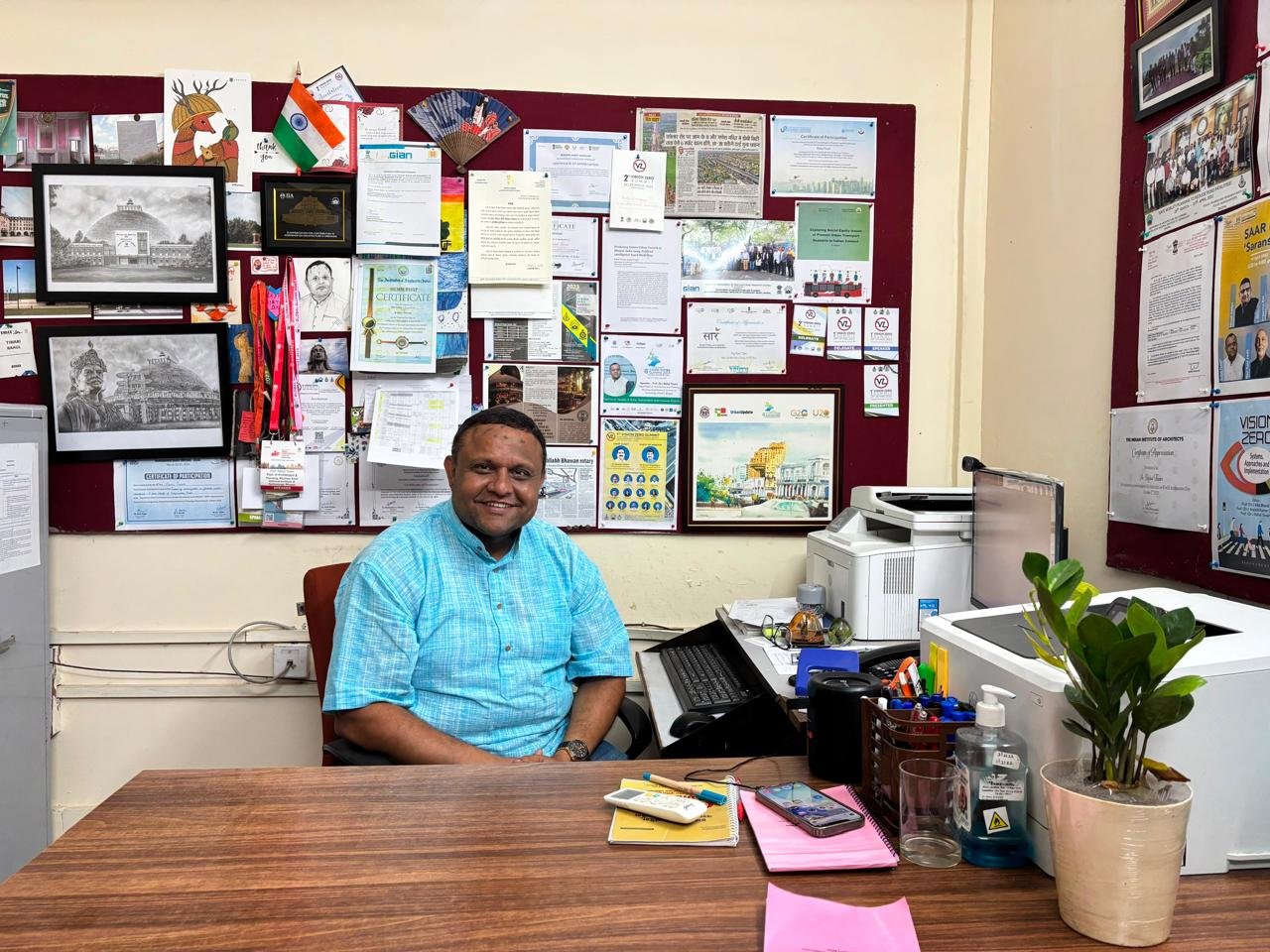
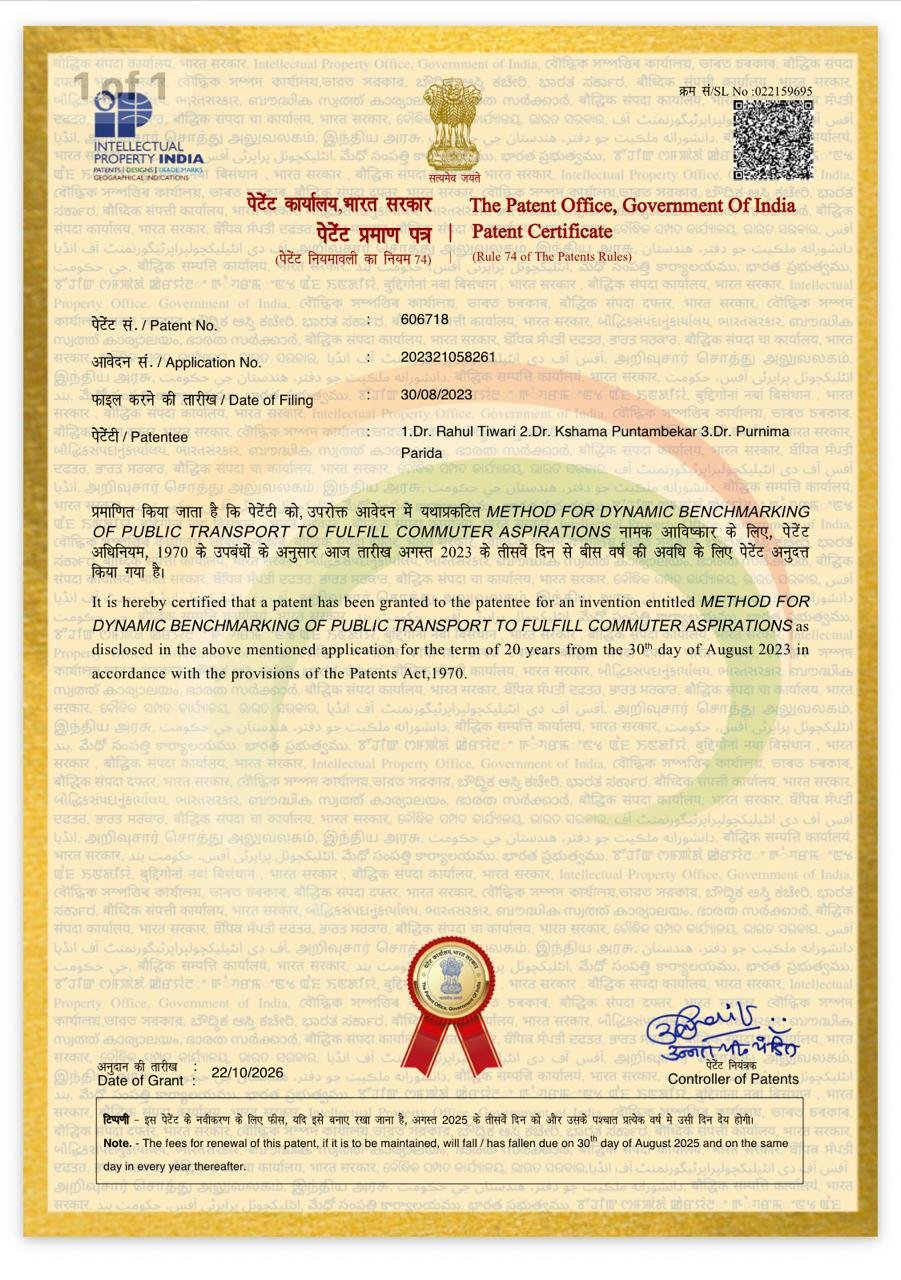
Bhopal: Bhopal’s city bus riders do not all want the same thing, and now a patent backs this up. Dr. Rahul Tiwari, a professor at MANIT Bhopal, has been granted a patent for his research titled “Public Transport Service Planning and Evaluation Methodology Based on Passenger Needs.” The method can help the city plan and judge its struggling public transport service by listening to the people who actually ride the buses.
Bhopal Passengers Tell Researchers What Matters Most on a Bus
Ask ten passengers what makes a good bus ride and you may get ten different answers. Some people care most about the bus arriving on time. Others look for a low fare, a safe journey or a comfortable seat.
To understand this, researchers from three institutions joined hands. Along with Dr. Tiwari, the team included Dr. Kshama Puntambekar of the School of Planning and Architecture (SPA), Bhopal, and Dr. Purnima Parida of CSIR-Central Building Research Institute (CBRI), Roorkee.
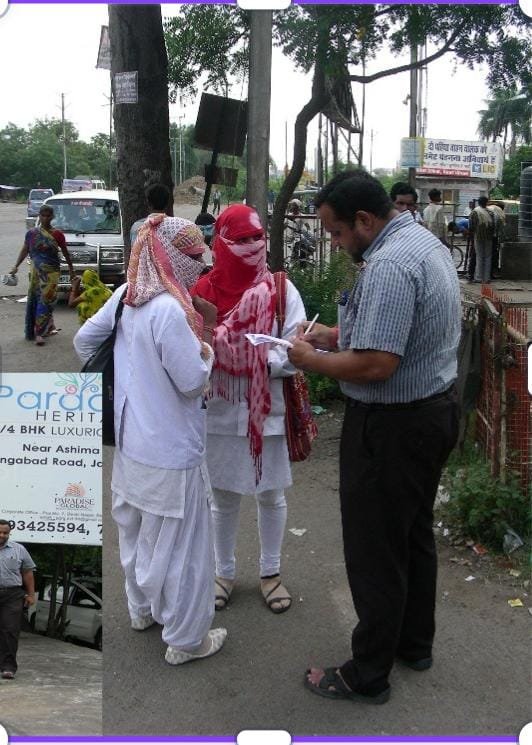
They surveyed 437 passengers who travel on Bhopal City Link Limited (BCLL) buses. The questions were asked inside the buses and at bus stops. The team also noted each passenger’s age, gender, income and education, then studied the answers.
The research looked at seven things that decide how good a bus service is:
- Accessibility: how easy it is to reach bus stops and how many areas the buses cover
- Comfort: how pleasant the seats and the ride are
- Cost: whether the fare is affordable
- Environment: how much the service affects nature
- Reliability: whether buses run on time and regularly
- Safety: how safe the journey feels
- Time: how long passengers wait and how long the trip takes
Bhopal Study Finds Age, Income and Education Shape What Riders Need
According to Dr. Tiwari, the team wanted to know whether a passenger’s background changes what they expect from a bus. It does. The study found a strong link between a person’s social and economic status and their preferences. This is the first time such status has been used as a factor in judging bus service quality.
The model built in the study explains about 30 percent of the differences in passenger preferences. In simple words, a good part of what riders want can be linked to who they are, though many other things also play a role.
In India today, bus services are usually judged by government measures such as how many buses are available, how many run, and how long people wait. The researchers say this is not enough. Big cities and small cities have different needs, and so do individual riders.
Their suggestion is that planners should also look at passengers’ age, gender, income and education when deciding the level of bus service. With this method, bus routes and facilities can be shaped around what people actually need, which could make daily travel better for Bhopal’s riders.