



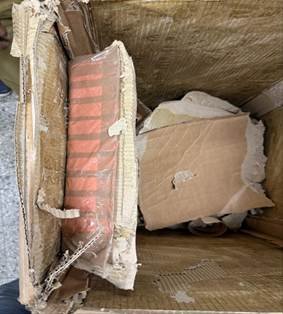
Hidden among ordinary clothes, a large quantity of illegal drugs almost slipped into India through the post. The Directorate of Revenue Intelligence (DRI) stopped it just in time. On 14 November 2026, officers announced that they had seized 10.8 kilograms of amphetamine, a banned drug, from a parcel that came from a European country. They believe a drug syndicate was trying to misuse the regular postal system to bring the drug into India.
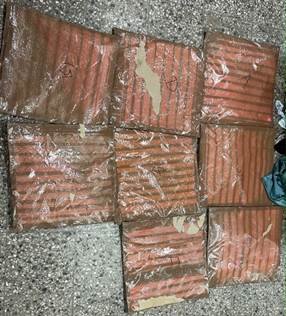
Hidden Pouches Found Inside a Simple Cardboard Box
The DRI got specific information about a suspicious parcel. Acting on that tip, officers stopped the parcel at the Foreign Post Office in New Delhi and opened it for a check. The sender had written “garments” on the form, meaning clothes.
At first, everything looked normal. The carton was packed with regular household clothes, and nothing seemed wrong. But the officers did not stop there. They examined the packaging closely, and that is when they found the trick. Two plastic pouches had been carefully hidden along each of the four edges of the carton.
In total, the officers recovered eight packets filled with a pink powder. Tests showed that the powder was amphetamine. All eight packets were seized under the Narcotic Drugs and Psychotropic Substances (NDPS) Act, 1985, the main law in India that deals with banned drugs.
Hidden Networks Now Under the Scanner
The seizure is only the first step. The investigation is still going on, and officers are now trying to trace the larger network behind the parcel. They want to find out who sent it, who was supposed to receive it, and how many people were involved in the plan.
The case also shows a worrying trend. Drug gangs often try to hide illegal goods inside legal trade, such as courier packages and postal parcels. They hope that a normal-looking box will pass without questions. This time, careful checking and good intelligence stopped them.
The DRI has said it is determined to find, stop and break such networks that work under the cover of genuine trade. It has also said it is committed to protecting both India’s economic borders and its national security.
For ordinary people, the message is simple. Even a harmless parcel of clothes can be misused by criminals, which is why customs checks matter so much.