



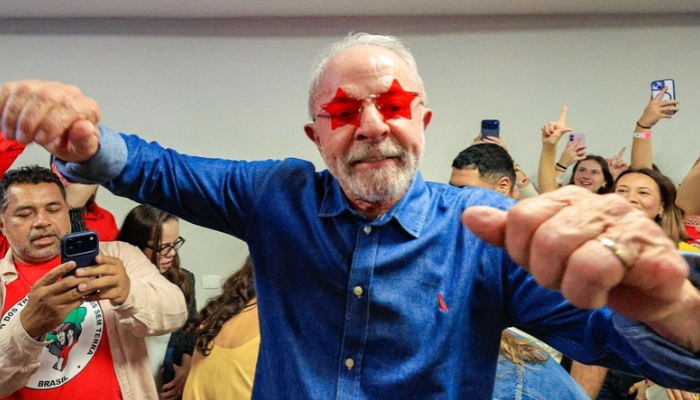
Brazilian President Luiz Inácio Lula da Silva faces mounting economic challenges as he prepares for a fourth term after defeating conservative challenger Flávio Bolsonaro in Sunday’s presidential run-off.
Despite stronger-than-expected economic performance in recent years, rising public debt, high interest rates and political opposition could complicate Lula’s plans.
Brazil’s public debt has exceeded 82% of gross domestic product (GDP), increasing pressure on government finances. Rising pension and welfare spending could make it harder to meet fiscal targets while maintaining social programmes.
Interest rates remain high at 13.75%, while annual inflation stands at 4.6%, above the central bank’s tolerance range. Lula wants to reduce borrowing costs without cutting social spending, but economists say tighter fiscal policies may be necessary.
Household and business debt is another concern. Nearly 84 million Brazilians and 9.3 million businesses have fallen behind on payments, according to credit bureau Serasa. Lula plans further debt-relief measures, although analysts warn these may offer only temporary support.
A conservative-led Congress could also obstruct economic reforms, including efforts to reduce tax exemptions. Securing legislative backing will be essential for Lula’s economic agenda.
Meanwhile, Brazil’s consumption tax overhaul, approved in 2023, faces unresolved questions over rates and implementation. Legislation for a proposed tax on products such as cigarettes and alcohol has also been delayed.
Lula’s fourth term will test his ability to control public finances, support economic growth and protect social programmes amid mounting fiscal and political pressures.