



Delhi riots of 2020 killed 53 people; six other accused in this case were acquitted
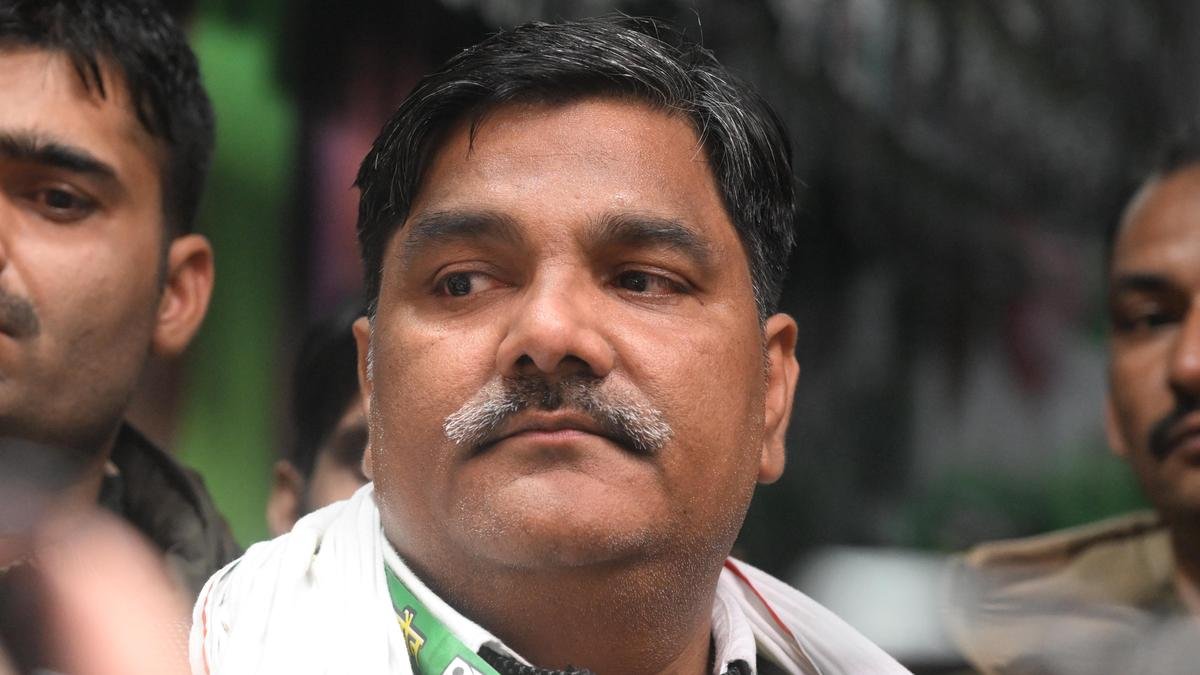
Delhi news: A Delhi court on Friday sentenced former AAP councillor Tahir Hussain and four other men to life imprisonment for the murder of Intelligence Bureau officer Ankit Sharma during the February 2020 Delhi riots.
The Karkardooma court convicted Hussain, along with Nazim, Kashim, Anas, and Javed, on charges of murder, kidnapping, rioting, and promoting communal enmity. The court had delivered its guilty verdict on July 13, after reviewing evidence linked to the riots that shook northeast Delhi five years ago.
Out of 11 people accused in the case, the court acquitted six.
What the Delhi court said
The judge described the crime as a serious act that disturbed the conscience of society. According to the court, Hussain was part of an armed mob that gathered to riot, loot, and set fire to property, driven by hatred toward Hindus. The mob attacked Sharma repeatedly and killed him in a brutal manner.
Delhi Police had pushed for the death penalty, arguing that the attackers crossed every line of human decency and kept assaulting Sharma even after he died. Police called it a cruel and planned murder that deserved capital punishment.
Hussain’s lawyer countered that not every murder case qualifies for the death penalty. The defence argued that the prosecution failed to clearly separate the role each accused played in the crime, so the case did not meet the legal bar of “rarest of rare,” which Indian courts use to decide death sentences.
How the case unfolded
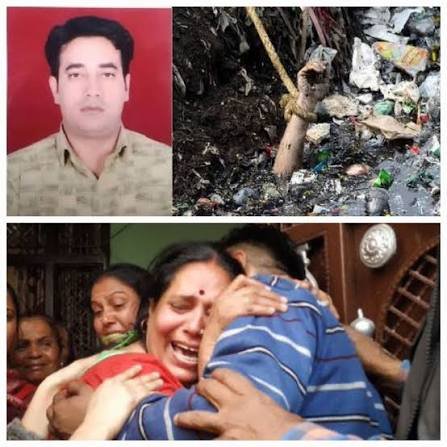
Ankit Sharma left home on February 25, 2020, and did not return. His family began searching for him, and locals later told them a body had been spotted in a drain near Chand Bagh, in the Khajuri Khas area. Police recovered his body from the drain the next morning. His body carried 51 wounds.
Sharma’s father, Ravinder Kumar, filed a police complaint at Dayalpur police station, accusing Hussain, the then AAP councillor, and his associates of the murder. According to the complaint, the accused gathered at Hussain’s office before the killing, and Sharma’s body was later dumped in the drain.
Why the 2020 Delhi riots broke out
The violence began on February 23, 2020, when groups supporting and opposing the Citizenship Amendment Act (CAA) clashed in northeast Delhi. Stone-pelting between the two sides quickly escalated.
By February 26, the riots had killed 53 people and injured more than 250. Among the dead, 38 were Muslim and 15 were Hindu. The violence destroyed close to 800 shops and burned down more than 500 homes, leaving deep scars on the neighbourhoods involved.
Tahir Hussain contested 2025 election from jail custody
In February 2025, Hussain contested the Delhi Assembly election from the Mustafabad seat as a candidate for AIMIM, the party led by Asaduddin Owaisi. He was out on custody parole during the campaign. He was not elected.
BJP candidate Mohan Singh Bisht won the seat. Hussain finished third, securing around 33,000 votes.
Why Delhi Court verdict matters
This case is among the most closely watched convictions to emerge from the 2020 Delhi riots, given Hussain’s political profile as a former elected councillor. The life sentence, delivered more than five years after the riots, signals that courts are willing to hold former public representatives accountable for riot-related violence, even as political careers continued in parallel through elections and public campaigning.
The verdict may also influence pending riot-related cases still working through Delhi courts, several of which involve similar charges of conspiracy, communal violence, and mob attacks from the same period.
Read more news: Bhopal Residents Plan Contempt Action Against Civic Body
For more coverage on inflation, fuel prices and Madhya Pradesh politics, read updates on VisionMP.