



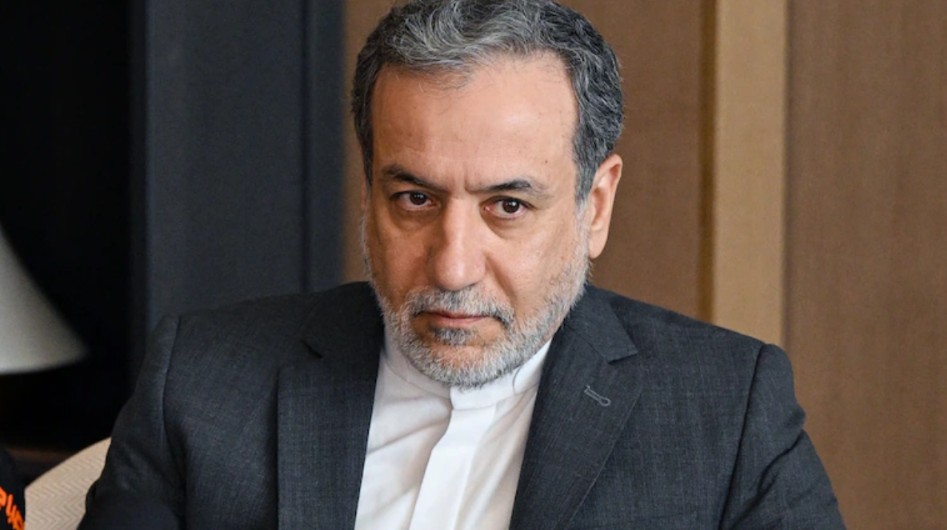
NEW DELHI: Seyed Abbas Araghchi on Friday said there was “no military solution” involving Iran and called on the United States to engage in serious negotiations, while asserting that a lack of trust remained the biggest obstacle to diplomacy between the two countries.
Speaking after a meeting of BRICS foreign ministers in New Delhi, Araghchi said Iran had “every reason” not to trust the US, accusing Washington of repeatedly failing to honour its commitments.
“We have no trust in Americans. This is the main obstacle in the way of any diplomatic effort,” he said.
Araghchi claimed the US had turned to negotiations only after failing to achieve its objectives through conflict with Iran. He did not elaborate on the nature of the alleged confrontation.
Despite ongoing tensions, the Iranian foreign minister said Tehran was willing to give diplomacy a chance and maintained that there was no military solution to issues concerning Iran.
“They have tested us time and again. We never bow to pressure or threats. We also resist sanctions. Iranian people only answer to the language of respect,” he said.
On India’s role in promoting peace in the Middle East, Araghchi said New Delhi could play a “greater” and “constructive” role in regional diplomacy.
“We will welcome any constructive role by India,” he said.
The Iranian minister also welcomed support from China in efforts to reduce tensions in the region, describing Beijing as a strategic partner with “good intentions”.
“We appreciate any country that has the ability to help, particularly China,” he said. “Anything that can be done by them to help diplomacy would be welcomed by the Islamic Republic.”
During the BRICS meeting, S. Jaishankar warned that growing instability in the Middle East could significantly disrupt global energy supplies.
Commenting on the Strait of Hormuz, Araghchi said the situation there had become “very complicated”, but stressed that Iran continued to allow passage for vessels from countries not engaged in conflict with Tehran.
“As far as our concern, Hormuz is open to all except vessels belonging to countries that are at war with us,” he said. “We are ready to help those who want to pass through the Strait.”
He expressed hope that normalcy would return once the conflict ended.
The Strait of Hormuz is one of the world’s most critical oil transit routes, and any prolonged disruption in the waterway could have significant implications for global trade and energy markets.