



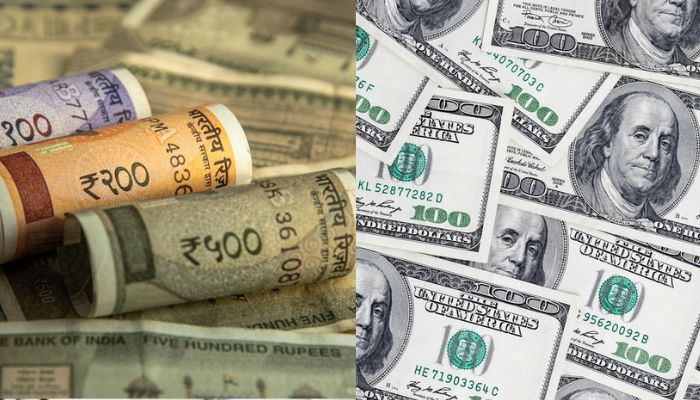
MUMBAI: The Indian rupee has continued to weaken against the US dollar amid sustained foreign fund outflows, higher crude oil prices and a stronger dollar index. According to media reports, the currency has recently traded near record lows, reflecting continued pressure from global financial conditions and domestic external-sector concerns.
The depreciation has been driven by elevated US Treasury yields, strong dollar demand from importers and oil marketing companies, and persistent selling by foreign portfolio investors. Brent crude has remained at elevated levels due to geopolitical tensions and supply-side concerns, increasing India’s import burden and widening the trade deficit. As India depends heavily on imported crude oil, higher energy prices tend to add to inflationary pressures and weaken the currency.
Market participants are closely watching the possibility of the rupee approaching the psychologically important ₹100 per US dollar level. According to media reports, such a move could have uneven effects across sectors of the economy and equity markets.
A weaker rupee is expected to raise import costs for crude oil, electronics, chemicals and industrial inputs. This could push up inflation and compress corporate margins, particularly in import-dependent sectors. Aviation, automobiles and fast-moving consumer goods are likely to face higher input costs, especially fuel-related expenses, which may affect profitability.
Higher currency volatility may also weigh on foreign investor sentiment, potentially increasing market fluctuations and leading to cautious positioning in import-heavy sectors.
However, export-oriented sectors are likely to benefit from currency depreciation. Information technology services, pharmaceuticals, textiles and specialty chemicals could gain from improved global competitiveness, as dollar earnings translate into higher rupee realisations. This may support earnings growth in select export-linked companies.
Domestic gold prices may also remain elevated if the rupee weakens further, as higher import costs feed through to retail bullion rates, adding inflationary pressure.
Crude oil prices and geopolitical tensions remain key drivers of the rupee’s outlook. Sustained global uncertainty and a strong dollar environment are expected to keep pressure on the currency in the near term. According to media reports, any further escalation in geopolitical risks could intensify volatility in currency markets.