



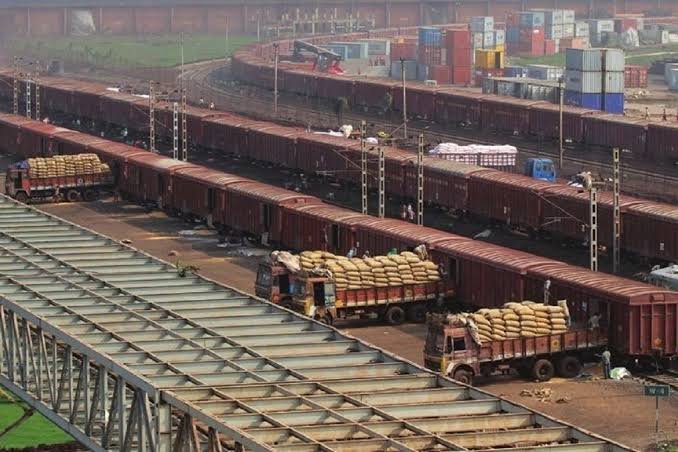
Indian Railways recorded a 9 per cent rise in freight loading during July 2026, carried more than 141 million tonnes of cargo and reported higher passenger traffic and freight revenue.
Indian Railways recorded a strong operational performance in July 2026, loading 141.3 million tonnes of freight compared with 129.7 million tonnes during the same month last year. The 9 per cent year-on-year increase reflects higher demand from industries, agriculture and the power sector, while highlighting the national transporter’s growing role in India’s logistics network.
According to the Ministry of Railways, the increase in freight movement also contributed to higher earnings and improved operational efficiency across the railway network.
Indian Railways Sees Higher Demand Across Key Sectors
The strongest growth came from commodities linked to infrastructure, manufacturing, farming and energy. Iron ore loading registered the highest increase, while coal, fertilisers and food grains also recorded healthy growth during the month.
The rise in freight movement indicates sustained demand across core sectors of the economy. Indian Railways said its continued focus on improving freight logistics and expanding carrying capacity has helped support faster cargo movement nationwide.
| Commodity | Growth in July 2026 |
|---|---|
| Iron Ore | 22.2% |
| Fertilisers | 12.0% |
| Balance Other Goods | 12.1% |
| Coal | 11.5% |
| Food Grains | 11.5% |
| Domestic Coal Supply to Power Plants | 20.0% |
Indian Railways Increases Coal Supply to Power Plants
To meet higher electricity demand, Indian Railways increased domestic coal supply to thermal power plants by 20 per cent compared with July 2025. The additional coal movement is expected to strengthen fuel availability for power generation during periods of higher demand.
Railway officials said the increase reflects close coordination with the energy sector and continued efforts to ensure uninterrupted transportation of essential commodities.
Higher freight loading translated into stronger revenue performance during the month. Freight earnings increased by Rs 1,137 crore over July 2025, registering an overall growth of 8 per cent.
Among the railway zones, East Central Railway and Eastern Railway each recorded 33 per cent growth in freight revenue. West Central Railway followed with 23 per cent, while South Eastern Railway registered 10.33 per cent growth.
| Railway Zone | Revenue Growth |
|---|---|
| East Central Railway | 33% |
| Eastern Railway | 33% |
| West Central Railway | 23% |
| South Eastern Railway | 10.33% |
Indian Railways Carries More Passengers Nationwide
Passenger traffic also continued to rise during July. Indian Railways carried 63.35 crore passengers, compared with 62.19 crore during July 2025. Growth was recorded across both suburban and non-suburban services, showing continued public preference for rail travel.
The increase reflects improvements in rail connectivity, service availability and network capacity across the country.
| Indicator | July 2025 | July 2026 | Growth |
|---|---|---|---|
| Freight Loading | 129.7 million tonnes | 141.3 million tonnes | 9% |
| Passenger Traffic | 62.19 crore | 63.35 crore | 1.9% |
| Freight Revenue | Base Year | Rs 1,137 crore higher | 8% |
Indian Railways Focuses on Better Services and Infrastructure
The Ministry of Railways said it will continue to strengthen freight logistics, improve passenger services and expand rail infrastructure across the country. Ongoing investments in capacity enhancement, operational efficiency and customer-focused initiatives are expected to support India’s economic growth while providing reliable transport for both freight customers and millions of daily passengers.
The ministry added that Indian Railways remains committed to improving logistics efficiency, supporting industrial growth and ensuring seamless connectivity across the national rail network.
Also read: Bhopal Adds Four Rewa Special Trains for Raksha Bandhan Rush
For more coverage on inflation, fuel prices and Madhya Pradesh politics, read updates on VisionMP.