



Jerusalem: Israeli Prime Minister Benjamin Netanyahu’s political bloc has failed to secure a parliamentary majority in the October 27 election, leaving the country facing coalition negotiations, according to media reports.
The final results give Netanyahu’s Likud-led bloc 53 seats in the 120-member Knesset, while the opposition bloc led by Gadi Eisenkot secured 48 seats. Arab-led parties won 19 seats. A majority of 61 seats is required to form a government.
The results have left both major blocs short of the numbers needed to govern independently. Arab-led parties could play an important role in the negotiations, although political differences may make an agreement difficult.
Netanyahu will continue as caretaker prime minister while the government formation process moves forward. If political parties fail to reach an agreement, Israel could face another election in 2027.
WHAT IT MEANS FOR INDIA
For India, the election outcome is significant because of its growing strategic partnership with Israel.
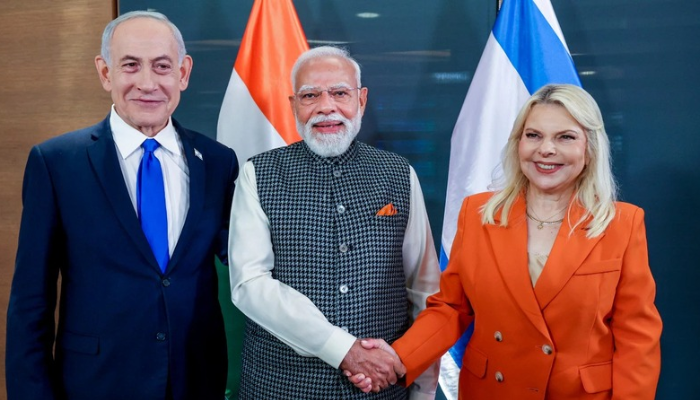
Under Prime Minister Narendra Modi and Netanyahu, bilateral cooperation has expanded across defence, technology, cybersecurity, agriculture, water management and trade.
During Modi’s February 2026 visit to Israel, both countries upgraded their relationship to a ‘Special Strategic Partnership for Peace, Innovation and Prosperity’.
Defence cooperation remains an important part of bilateral ties, with both countries also exploring joint production and technology sharing.
A possible change in Israel’s leadership could influence future policy priorities. However, India’s established diplomatic, economic and defence cooperation with Israel provides a strong foundation for continuity.
The impact on bilateral relations will become clearer once Israel forms its next government.