



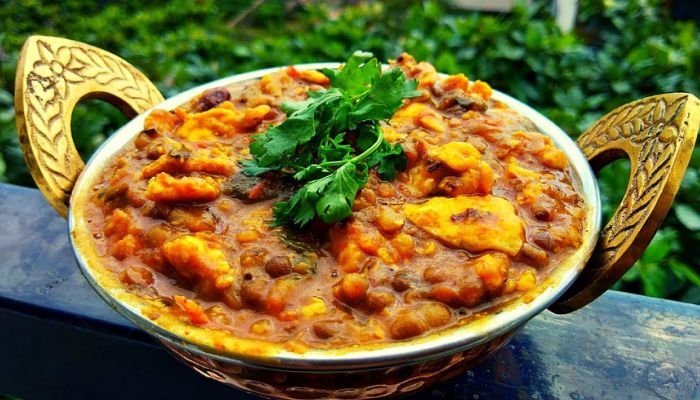
KOLKATA: If dal and eggs sound like an unlikely combination, dim torka may change your mind. A popular roadside dish in parts of eastern India, it combines spiced lentils with scrambled egg and is typically served with roti.
Also known as dim tarka or anda tarka, the dish is particularly associated with West Bengal and is also found in parts of Odisha and Assam. Unlike traditional dal tadka, dim torka is distinguished by the addition of egg, and some versions also include chicken or mutton.
For many people in eastern India, the dish is more than an inexpensive meal. It is a familiar comfort food associated with roadside eateries, dhabas and pice hotels.
A dish with no clear origin
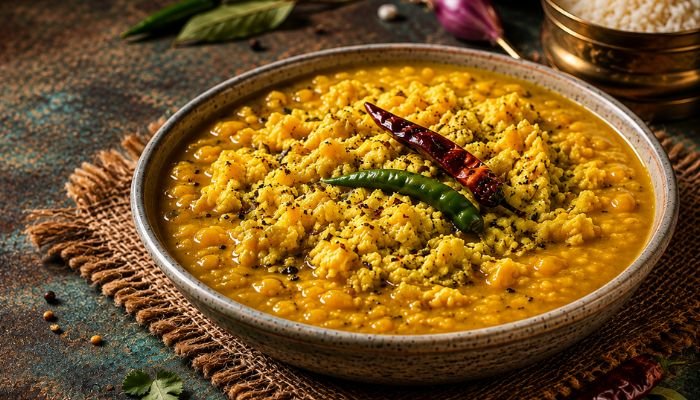
There is no definitive evidence identifying who invented dim torka or where it was first prepared. Food writers, historians and restaurant owners have offered different accounts of how the dish developed.
One theory links its origins to the growth of dhaba culture along roads leading into and out of Kolkata as commercial transport expanded. Roadside eateries served truck drivers and travellers, and their food evolved by combining North Indian dhaba cooking with local Bengali tastes.
Food writer Kalyan Karmakar, writing on his Finely Chopped blog, has documented one version of this history based on conversations with Kolkata food historian and researcher Pritha Sen.
According to the account, the term torka became part of Kolkata’s everyday food vocabulary around the 1980s, after highway dhabas began appearing in the city. These establishments served richer dals than those commonly prepared in Bengali homes.
The theory suggests that dhaba owners adapted their dishes to Bengal’s preference for non-vegetarian food by adding eggs, minced meat or liver to dal. The additions made the dish more substantial while keeping it affordable.
The cooks may have carried it east
Food writer Madhushree Basu Roy, co-editor of Heirloom Cities: Kolkata, takes a more cautious view of the dish’s origins. She argues that it is difficult to establish exactly how food travels from one region to another.
One possibility is that Odia thakurs, or cooks, working in Kolkata’s pice hotels learned to prepare versions of torka and later carried the dish back to Odisha.
This could explain how dim torka became familiar beyond West Bengal. Basu Roy believes the dish may have existed as early as the 1930s but became particularly popular during the 1970s and 1980s.
From Bengal, it may have travelled further east through migration, travel and the spread of small eateries. Odisha and Assam could therefore have received the dish through several different culinary routes.
A Punjabi chef’s surprise
The dish’s unusual culinary journey was highlighted during research for an episode of Knight Bite featuring chef Kunal Kapoor.
Kapoor, who is Punjabi and familiar with India’s dhaba food culture, had never heard of dim torka before being introduced to it.
His reaction reflected the dish’s unusual status: a preparation that some believe grew out of dhaba culture but remained relatively unknown in other parts of India.
More than just dal
For those who grew up eating dim torka, the dish represents more than an inexpensive combination of lentils and eggs.
Its smoky roadside flavour, scrambled egg, hot roti, onions and green chillies create a meal strongly associated with home and memory.
Despite its popularity in parts of eastern India, finding an authentic plate of dim torka can be difficult outside the region. Many Bengali and Odia communities living in cities such as Delhi may have limited access to the dish.
Making it at home is relatively simple: prepare the dal, scramble the egg and serve it with roti. But recreating the smoky, rustic character of a roadside torka can be difficult.
Perhaps that is the enduring appeal of dim torka: a simple dish whose uncertain journey across eastern India has made it a distinctive marker of food, migration and home.