



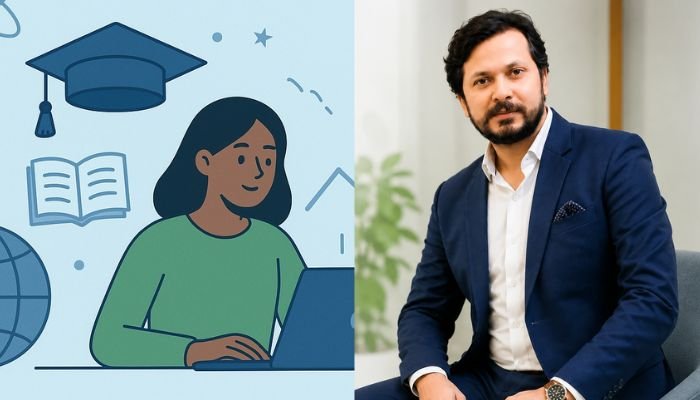
By Anup Malhotra
Opinion
In today’s fast-changing world, academic success alone is no longer enough to prepare students for the future. Good marks remain important, but they are only one part of a child’s overall development. To succeed in life and work, students also need skills such as critical thinking, creativity, communication, teamwork, emotional intelligence and the ability to adapt to change.
Schools play a vital role in helping students build these skills. Learning should go beyond textbooks and examinations. Activities such as project-based learning, debates, coding, sports, community service, environmental programmes and leadership opportunities help students apply knowledge to real-life situations. These experiences build confidence, improve problem-solving skills and encourage independent thinking.
A student’s mental and emotional well-being is equally important. Children learn best in an environment where they feel safe, respected and supported. Schools should encourage students to ask questions, learn from mistakes and develop resilience. This requires strong cooperation between teachers, parents and school leaders, who all share responsibility for a child’s growth.
Technology has become an important part of education, offering new ways to learn and explore ideas. However, it should support quality teaching rather than replace it. Digital tools work best when combined with reading, classroom discussions, practical activities and face-to-face interaction. At the same time, students should learn to use technology responsibly, safely and ethically.
Education is also about building character. Values such as honesty, respect, kindness, discipline and social responsibility cannot be measured through examination scores, yet they play a key role in shaping responsible citizens. Schools that promote these values alongside academic learning help create individuals who contribute positively to society.
The success of a school should not be judged only by examination results. It should also be measured by the confidence, skills and character of the students it nurtures. By focusing on the overall development of every child, schools can prepare a generation that is ready to meet future challenges, embrace new opportunities and make meaningful contributions to their communities, the nation and the wider world.
Disclaimer: The views expressed in this article are those of the writer, Anup Malhotra. They are personal opinions and do not necessarily reflect the views or editorial policy of the publisher.