



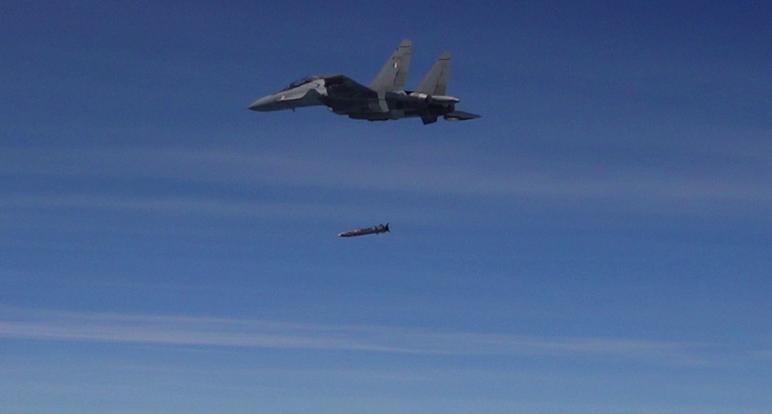
India’s defence capabilities received a significant boost on Tuesday after the Defence Research and Development Organisation (DRDO) successfully conducted a flight test of the Rudram-2 anti-radiation missile from an Su-30MKI fighter aircraft.
The indigenous missile is designed to engage and destroy enemy radar installations, communication systems, electronic surveillance networks and other air defence assets at ranges of up to 300 kilometres. The successful trial marks another step forward in India’s efforts to develop advanced stand-off precision strike weapons.
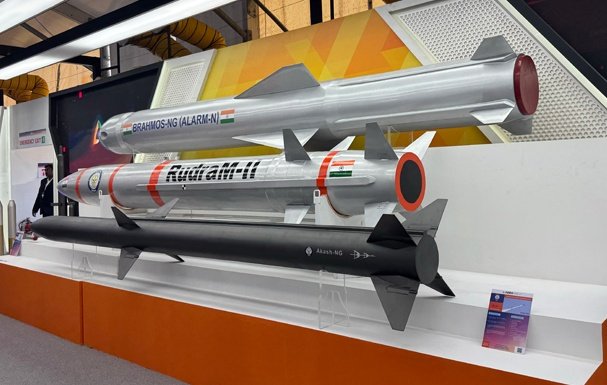
Rudram-2 has been developed primarily for Suppression of Enemy Air Defence (SEAD) missions, a military strategy aimed at degrading an adversary’s ability to detect and respond to aerial attacks. By targeting radar and electronic monitoring systems, the missile can create safer operational conditions for friendly aircraft during combat operations.
The missile offers dual operational capabilities. In its anti-radiation role, it can track and eliminate radar stations, electronic intelligence facilities, communication nodes and jamming systems. In the ground-attack configuration, it can strike military infrastructure such as bunkers, airstrips, underground aircraft shelters and command facilities with high precision.
A key feature of Rudram-2 is its ability to continue tracking a target even if the enemy shuts down its radar after detecting an incoming threat. The missile uses a combination of Inertial Navigation System (INS) and satellite navigation technologies to remember the target’s last known position and continue its flight path towards the objective.
This capability addresses a common defensive tactic in which operators switch off radar systems to break the missile’s lock. With Rudram-2, shutting down a radar at the last moment may not be sufficient to avoid a strike.
Air defence networks rely heavily on radar systems to detect hostile aircraft, drones and missiles and provide early warning to military forces. By eliminating these sensors, anti-radiation missiles can significantly weaken an opponent’s situational awareness and response capability.
Unlike conventional guided missiles that actively emit signals to locate targets, anti-radiation missiles passively detect electromagnetic emissions generated by enemy radar systems. This allows them to identify, track and engage targets without revealing their own position.
The successful test reinforces India’s growing emphasis on indigenous defence technology and advanced precision-guided weapons. Defence experts view anti-radiation missiles as critical assets in modern warfare, particularly in contested airspaces protected by sophisticated air defence systems.
For more coverage on inflation, fuel prices and Madhya Pradesh politics, read updates on Vision MP.